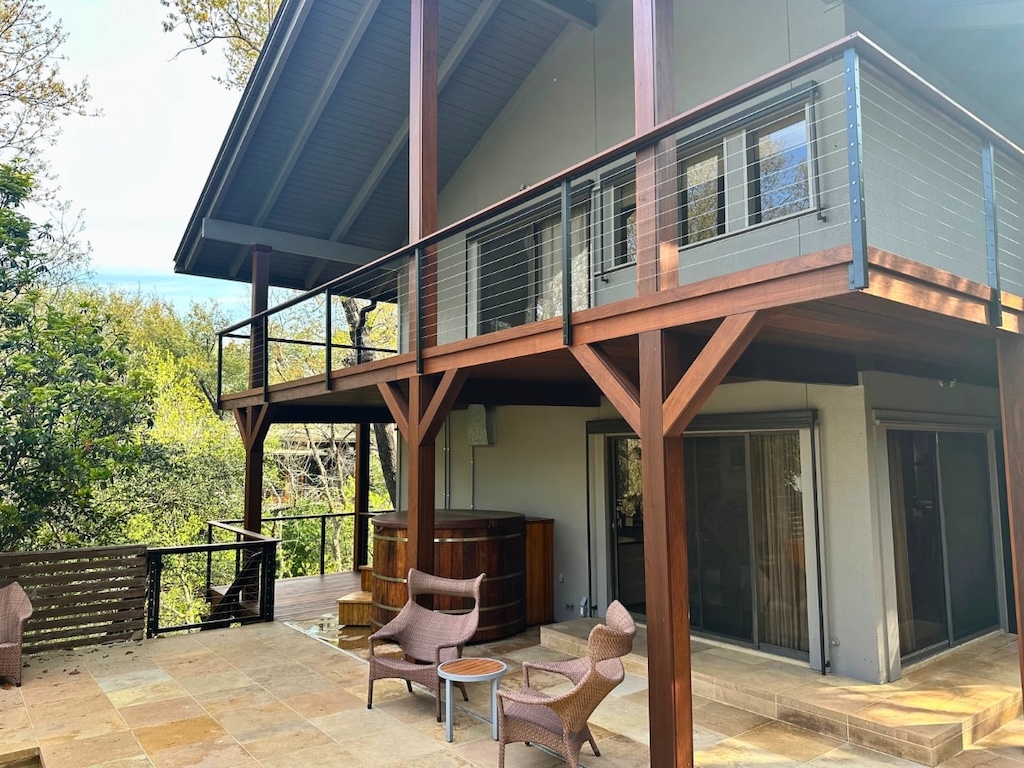
Smart Steps to a Reliable Deck: An Owner’s Planning and Maintenance Playbook
First, scope the purpose of your deck before thinking about lumber or layout. Entertaining, quiet reading, or commercial foot traffic each drive different design choices. Define capacity, furniture zones, shade needs, privacy, and views. Map access points to doors and paths, and note utilities, trees, and irrigation. This scoping effort helps align expectations, reduce rework, and shape the conversation with any contractor you bring to the table.
Next, assess your site’s grade, sun path, prevailing winds, and drainage patterns. A gentle slope can be an asset for under-deck runoff, but poor drainage invites settlement and wood decay. Observe after a rainstorm to validate water movement. Soil type affects footing size and spacing, while shade influences material selection and finish schedules. Document findings with photos and quick sketches, so you can verify details during design reviews.
Meanwhile, clarify the structural objectives that support your functional goals. Joist spans, beam sizing, and post layouts should reflect live loads, railing forces, and any hot tub or kitchen equipment. In practice, early structural calibration reduces downstream redesign. If stairs are involved, ensure riser heights and tread depths meet accessibility and code requirements. Thoughtful framing choices improve durability and simplify future upgrades or repairs.
Beyond that, weigh materials with lifecycle thinking. Pressure-treated lumber often balances cost and strength, while composites deliver stability and reduced refinishing. For surfaces near pools or outdoor kitchens, slip resistance and stain resistance matter. Deck Railings Installation Austin considerations include grip profile, height, and infill style. Validate fastener compatibility with your chosen boards, and request manufacturer literature to maintain warranties and proper spacing.
However, finishes and color play bigger roles than aesthetics alone. Darker tones can run hotter under direct sun, while lighter hues reflect heat and soften glare. Staining cadence influences upkeep budgets; transparent products highlight grain but need more frequent maintenance. Composite colors are baked in, yet still benefit from periodic cleaning. Decide where you’ll accept patina and where you need crisp, clean lines to remain consistent over time.
Often, sequencing the build in logical phases prevents delays. Stake the footprint, set string lines, and confirm clearances first. Then excavate footings and set posts, verifying plumb and elevation before beams arrive. Joists follow, with flashing and moisture barriers installed as you progress. Deck boards, railings, and stairs come next, while accessories and lighting land at the end. This disciplined flow helps maintain quality checks and tidy sites.
Then, examine permitting, inspections, and documentation. Municipal requirements vary, so confirm submittals, setbacks, and guardrail rules early. Keep a folder of drawings, material specs, and revisions to track decisions. Inspect anchor points, connectors, and ledger flashing at logical milestones. Photographs of hidden elements become invaluable if you pursue Deck Repair Austin later, or when you schedule periodic assessments after storm seasons.
Afterward, plan for maintenance from day one. Sweep debris off surfaces to prevent trapped moisture. Wash gently to remove pollen and grime without scarring fibers. For wood surfaces, test water beading to gauge when to re-stain or seal. For composites, verify approved cleaners to avoid residue. Establish a spring and fall checklist to tighten hardware, check railings, and confirm that gates, lighting, and accessories operate as intended.
Additionally, budget with buffers for unknowns. Subsurface surprises, long-lead components, or design tweaks can nudge totals. Phase optional features like pergolas or planters to match cash flow. When evaluating Deck Installation Austin proposals, compare scope depth, hardware lists, and post-install support. Clarify disposal, recycling practices, and protections for landscaping. Transparent line items help you balance value with durability without locking into the cheapest path.
Finally, match vendor fit to your specific use case. Residential Deck Builders Austin may emphasize comfort, sightlines, and daily wear, while commercial-focused teams often prioritize egress routes and crowd durability. Ask how crews stage materials, buffer noise, and protect interiors. Validate a punch-list process, and request a handoff packet with care instructions. With clear goals, sound materials, and disciplined execution, your deck will serve reliably across seasons and projects.